

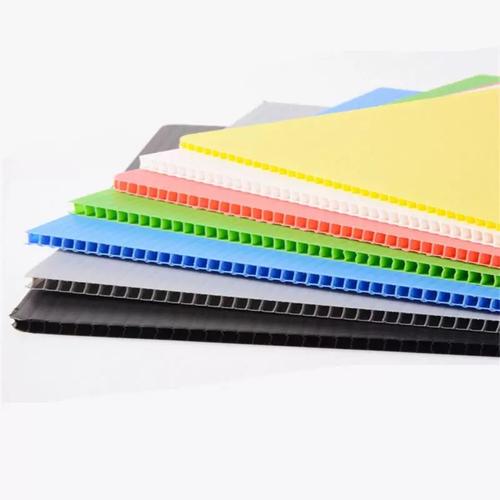
In the vast landscape of modern materials, one product has quietly become an indispensable workhorse across countless industries: the PP hollow sheet. Also widely known as corrugated plastic, polypropylene sheet, or simply coroplast, this material is a lightweight, durable, and versatile thermoplastic sheet. Its distinctive fluted structure—a top and bottom layer connected by a series of parallel ribs—gives it exceptional strength-to-weight ratio, making it a go-to choice for applications ranging from temporary signage to heavy-duty industrial packaging. Understanding what a PP hollow sheet is, its manufacturing process, and its myriad of uses is essential for anyone involved in logistics, construction, advertising, or sustainable packaging. This article will delve deep into the composition, properties, advantages, and key applications of this remarkable material.
The journey of a PP hollow sheet begins with polypropylene (PP), a thermoplastic polymer known for its resilience, chemical resistance, and recyclability. The manufacturing process, typically extrusion, involves melting PP resin pellets and forcing the molten polymer through a specially designed die. This die shapes the material into a continuous sheet with a hollow, corrugated core. As the sheet exits the extruder, it is rapidly cooled and then cut to standard or custom lengths. The resulting structure is not only incredibly light but also possesses high rigidity along the flute direction. This unique architecture is the key to the material's performance: the hollow channels act as shock absorbers, providing excellent cushioning, while the solid outer skins offer a smooth, printable surface. This combination of properties makes PP hollow sheets a superior alternative to cardboard, wood, and even some metals in specific applications.
I. Key Properties That Define PP Hollow Sheet
The widespread adoption of PP hollow sheets is no accident; it is directly attributable to a unique set of physical and chemical properties. These characteristics make it a highly functional and cost-effective material for diverse challenges.
Exceptional Lightweight and High Strength: This is the most defining feature. A PP hollow sheet weighs only a fraction of solid plastic sheets or cardboard of similar dimensions. For instance, a standard 4mm thick sheet can weigh as little as 200-300 grams per square meter. Despite this low weight, its corrugated structure provides remarkable rigidity and impact resistance, allowing it to withstand significant loads and rough handling without cracking or breaking. This is why it is the preferred material for reusable shipping containers and protective packaging.
Superb Water and Chemical Resistance: Unlike cardboard, which disintegrates when wet, PP hollow sheets are completely waterproof. They do not absorb moisture, rot, or mildew. Furthermore, polypropylene is inherently resistant to a wide range of acids, alkalis, and greases. This makes the material ideal for use in humid environments, outdoor applications, and the packaging of chemicals, pharmaceuticals, and fresh produce.
Excellent Thermal and Electrical Insulation: The hollow air-filled cavities within the sheet act as natural insulators. This provides a degree of thermal insulation, keeping packaged goods at a more stable temperature. Additionally, polypropylene is an excellent electrical insulator, making PP hollow sheets safe and effective for use in electrical enclosures and protective barriers.
100% Recyclability and Eco-Friendliness: From a sustainability perspective, PP hollow sheets are a superior choice. They are made from polypropylene, a highly recyclable plastic. Many manufacturers now use post-industrial or even post-consumer recycled PP (rPP) to produce new sheets. At the end of their long life cycle, the sheets can be collected, ground down, and reprocessed into new products, significantly reducing plastic waste and supporting a circular economy.
Ease of Fabrication and Printability: PP hollow sheets can be easily cut, scored, folded, stapled, die-cut, and welded using standard tools. This allows for rapid and cost-effective fabrication of custom shapes and sizes. The smooth surface is also highly receptive to various printing techniques, including screen printing, digital printing, and flexography, making it a favorite for vibrant, long-lasting signage and point-of-purchase displays.
II. Diverse Applications Across Major Industries
The versatility of PP hollow sheets is truly astounding. They have found a permanent home in a vast array of sectors, solving problems and improving efficiency. Below are some of the most prominent applications.
1. Packaging and Logistics
This is arguably the largest market for PP hollow sheets. They have revolutionized reusable and protective packaging. Common uses include:
Reusable Crates and Containers: Automotive parts, electronics, and food products are frequently shipped in durable, lightweight PP crates that can be used hundreds of times.
Protective Packaging: Custom-cut sheets are used as dividers, layer pads, and edge protectors within boxes to prevent damage to fragile items during transit.
Corrugated Boxes: For high-value or heavy items, entire boxes are made from PP hollow sheets, offering superior protection compared to standard cardboard.
2. Signage and Advertising
The combination of weatherability, lightweight, and printability makes PP sheets ideal for temporary and semi-permanent signage.
Real Estate Signs: The classic "For Sale" sign is often made from this material because it stands up to rain, sun, and wind without warping or fading quickly.
Point-of-Purchase (POP) Displays: Retailers use printed PP sheets for eye-catching shelf talkers, floor displays, and promotional stands that are easy to assemble and move.
Event and Construction Signage: Directional signs, safety warnings, and banners for construction sites or outdoor events are frequently printed on PP hollow sheets due to their durability.
3. Agriculture and Horticulture
The waterproof and UV-resistant properties of PP sheets are highly valued in agriculture.
Plant Nursery Flats and Trays: These are used for starting seeds and transporting young plants. They are reusable, easy to clean, and do not rot.
Greenhouse Liners and Insulation: The material can be used to line greenhouse walls for insulation and light diffusion.
Harvesting Crates: Lightweight and easy to wash, PP crates are perfect for collecting fruits and vegetables directly from the field.
4. Construction and Industrial
In more demanding environments, PP hollow sheets serve as functional and protective components.
Concrete Formwork: Used as a lightweight, reusable liner for pouring concrete slabs and walls. It provides a smooth finish and is easy to clean.
Protective Flooring and Wall Covering: During renovation or construction, sheets are laid down to protect finished floors from debris and damage.
Machine Guards and Partitions: In factories, PP sheets are used to create lightweight, transparent (in some grades) machine safety guards and temporary partitions.
III. Comparing PP Hollow Sheet to Other Materials
To fully appreciate the value of PP hollow sheets, it is helpful to compare them directly with common alternatives.
| Property | PP Hollow Sheet | Cardboard (Corrugated) | Solid Plastic Sheet (e.g., Acrylic) | Plywood |
|---|---|---|---|---|
| Weight | Very Low | Low | High | High |
| Water Resistance | Excellent | Poor | Excellent | Poor (unless treated) |
| Durability/Reusability | High (100+ cycles) | Low (1-3 cycles) | Very High | High |
| Impact Resistance | Excellent | Moderate | Brittle (can crack) | Good |
| Cost | Medium | Very Low | High | Medium-High |
| Recyclability | Excellent (100%) | Good (but limited cycles) | Good | Biodegradable |
| Printability | Excellent | Good | Excellent | Moderate |
As the table illustrates, PP hollow sheets occupy a unique sweet spot. They are far more durable and reusable than cardboard, yet significantly lighter and less expensive than solid plastics or plywood. This cost-effectiveness over the long term, especially in reusable applications, is a major driver of their popularity.
IV. Sustainability and the Future of PP Hollow Sheets
In an era of increasing environmental awareness, the sustainability credentials of PP hollow sheets are more important than ever. The key advantage lies in their reusability and recyclability. A single PP shipping crate can replace hundreds of single-use cardboard boxes, drastically reducing waste. Furthermore, the material is often made with a significant percentage of recycled content. At the end of its life, a PP hollow sheet is a valuable resource. It can be collected, washed, ground into flakes, and reprocessed into new sheets or other polypropylene products. This closed-loop system significantly lowers the carbon footprint compared to many alternative materials. Innovations are also underway, such as the development of bio-based PP derived from renewable sources like sugarcane, which promises to make this already eco-friendly material even more sustainable.
Conclusion
The PP hollow sheet is far more than just a simple plastic board. It is a masterclass in material engineering, delivering a unique combination of strength, lightness, durability, and versatility that is hard to match. From protecting delicate electronics in transit to creating vibrant outdoor signage, from nurturing young plants in greenhouses to serving as reusable concrete forms, its applications are as diverse as they are essential. As industries continue to prioritize efficiency, cost-effectiveness, and sustainability, the demand for this remarkable material is only set to grow. Whether you are a logistics manager looking to cut packaging waste, a sign maker needing a reliable substrate, or an engineer seeking a robust yet lightweight material, the PP hollow sheet offers a proven, intelligent, and forward-thinking solution