

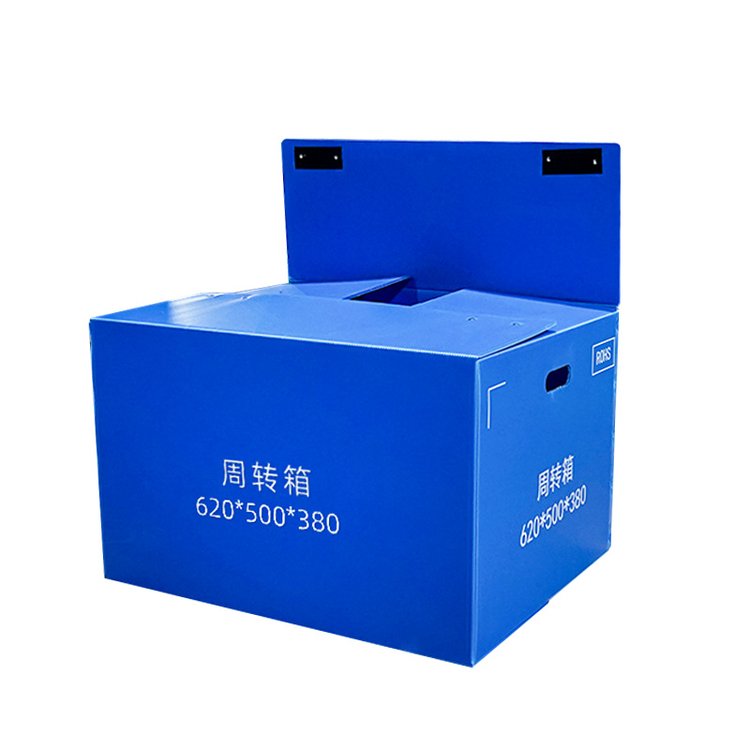
PP hollow plate box
In the rapidly evolving landscape of packaging and logistics, the demand for materials that are both durable and lightweight has never been higher. Among the innovative solutions gaining significant traction is the PP hollow plate box. Crafted from polypropylene, these boxes are not just containers; they represent a paradigm shift towards efficiency, sustainability, and cost-effectiveness. Unlike traditional corrugated cardboard or heavy wooden crates, PP hollow plate boxes offer a unique combination of rigidity and flexibility, making them an ideal choice for industries ranging from agriculture to automotive. This article delves into the multifaceted world of PP hollow plate boxes, exploring their construction, diverse applications, and the compelling reasons why they are becoming the go-to packaging solution for forward-thinking businesses.
I. Understanding the Material: What Makes PP Hollow Plate Unique?
At its core, the PP hollow plate box is made from polypropylene, a thermoplastic polymer known for its resilience and chemical resistance. The "hollow plate" structure is a defining feature, consisting of two flat outer sheets connected by a series of vertical ribs. This design creates a series of air-filled channels, which provide exceptional strength-to-weight ratio. A standard 5mm thick PP hollow plate can support substantial weight—often up to 50-80 kg per square meter depending on the specific grade—while weighing only about 800 grams per square meter. This is a stark contrast to plywood, which can weigh over 5 kg per square meter for similar load capacity. The material is also inherently waterproof, resistant to oils, acids, and alkalis, and can withstand temperatures ranging from -20°C to +80°C. Furthermore, PP is 100% recyclable, aligning with global sustainability goals. For instance, a study by the European Plastics Converters Association found that PP packaging can be recycled up to 7 times without significant degradation in quality, making it a circular economy champion.
II. The Unmatched Advantages of PP Hollow Plate Boxes
The adoption of PP hollow plate boxes is driven by a host of practical advantages that directly impact operational efficiency and bottom-line costs. These benefits are not merely theoretical but are backed by real-world data from logistics and manufacturing sectors.
Exceptional Durability and Reusability: Unlike cardboard, which can lose up to 30% of its strength when exposed to humidity, PP hollow plates maintain their structural integrity. A single PP box can be reused 50 to 100 times or more, drastically reducing the need for constant replacement. For example, a major automotive parts supplier reported a 40% reduction in packaging costs after switching to PP hollow plate boxes for their supply chain.
Lightweight Design Reduces Shipping Costs: Weight is a critical factor in freight charges. A typical PP hollow plate box weighs 60-70% less than a comparable wooden crate. For a company shipping 10,000 boxes per month, this weight reduction can translate into annual savings of tens of thousands of dollars in fuel and freight fees.
Water and Chemical Resistance: In industries like agriculture or chemical processing, exposure to moisture or spills is common. PP hollow plates are non-absorbent and do not rot, rust, or corrode. This makes them perfect for transporting fresh produce, where moisture from condensation can ruin cardboard boxes, or for storing industrial parts that may be coated in lubricants.
Customizable and Versatile: These boxes can be easily cut, folded, and welded into custom shapes and sizes. They can be fitted with anti-slip surfaces, ventilation holes for perishable goods, or conductive additives for ESD (Electrostatic Discharge) protection in electronics. A survey by the Packaging Machinery Manufacturers Institute found that 78% of logistics managers prefer customizable packaging solutions for optimizing storage space.
Eco-Friendly and Recyclable: As businesses face increasing pressure to reduce their carbon footprint, PP hollow plates offer a sustainable alternative. They are made from a single polymer, making them easy to recycle. Furthermore, their long lifespan means less waste ends up in landfills compared to single-use cardboard or plastic wraps.
III. Key Applications Across Diverse Industries
The versatility of PP hollow plate boxes has led to their widespread adoption across numerous sectors. Below are some of the most prominent applications, supported by specific use cases.
Agriculture and Horticulture: In the agricultural sector, these boxes are used for harvesting, storing, and transporting fruits, vegetables, and flowers. Their ventilation holes allow for airflow, reducing spoilage. For example, a large-scale apple orchard in Washington State reported a 15% decrease in fruit bruising after switching from wooden bins to PP hollow plate boxes, thanks to the material's smooth interior and shock-absorbing properties.
Automotive and Industrial Manufacturing: The automotive industry relies heavily on PP hollow plate boxes for transporting parts like engine components, transmissions, and body panels. Their ability to be precisely cut for custom inserts ensures that delicate parts are securely held in place. A case study from a German automaker showed that using these boxes reduced part damage during transit by 25% and improved assembly line efficiency due to standardized sizing.
Electronics and E-commerce: For sensitive electronics, PP hollow plates can be treated with anti-static additives, making them safe for circuit boards and hard drives. In e-commerce, these boxes are used for returnable packaging systems, where they are shipped back and forth between fulfillment centers. A major online retailer in China reported that implementing a PP hollow plate returnable system reduced their single-use cardboard waste by 60% over two years.
Logistics and Warehousing: In warehouses, these boxes stack securely, maximizing vertical storage space. Their uniform dimensions allow for efficient palletization, improving space utilization by up to 20% compared to irregularly shaped containers. They are also easy to clean and sanitize, making them ideal for food and pharmaceutical logistics.
IV. How to Choose and Maintain Your PP Hollow Plate Boxes
Selecting the right PP hollow plate box requires careful consideration of your specific needs. Key factors include thickness (commonly 2mm to 10mm), density, and color. For heavy loads, a thicker plate (e.g., 8mm or 10mm) with a higher density is recommended. For lighter items like textiles, a 4mm plate may suffice. Color can also be functional; for example, black boxes are often used for UV protection in outdoor storage, while white or transparent boxes are preferred for easy content identification.
Maintenance is straightforward but crucial for maximizing lifespan. After each use, boxes should be cleaned with mild soap and water. Avoid harsh solvents that can degrade the polypropylene. For stubborn stains, a soft brush can be used. Regular inspection for cracks or deformation is recommended, especially at the corners where stress is highest. With proper care, a PP hollow plate box can last 5-10 years, providing an excellent return on investment. For instance, a logistics company in the Netherlands found that by implementing a cleaning and inspection routine, they extended the average lifespan of their PP boxes from 3 to 7 years, saving 30% on replacement costs.
V. The Future: Innovations in PP Hollow Plate Technology
The evolution of PP hollow plate boxes is far from stagnant. Recent innovations are pushing the boundaries of what these containers can achieve. One exciting development is the integration of RFID (Radio-Frequency Identification) tags directly into the hollow channels during manufacturing. This enables real-time tracking of inventory and reduces manual scanning labor by an estimated 50%. Another trend is the use of recycled PP content. Some manufacturers now offer boxes made from 100% post-consumer recycled polypropylene, without compromising on strength.
Furthermore, advancements in additive manufacturing are allowing for the creation of boxes with integrated hinge systems, locking mechanisms, and even collapsible designs that fold flat for return shipping. These collapsible models can reduce return shipping volume by up to 80%, significantly lowering reverse logistics costs. As e-commerce continues to grow and sustainability regulations tighten, the demand for such intelligent, eco-friendly packaging solutions will only increase. The PP hollow plate box is not just a product; it is a platform for innovation in the circular economy.
Conclusion: A Smart Investment for Modern Business
In conclusion, the PP hollow plate box represents a superior packaging solution that addresses the core challenges of modern logistics: durability, cost, weight, and sustainability. Its unique construction offers a strength-to-weight ratio that outperforms traditional materials, while its reusability and recyclability align with global environmental goals. From protecting delicate electronics in a warehouse to transporting fresh produce across continents, these boxes have proven their worth across a multitude of industries. Data consistently shows that businesses that switch to PP hollow plate boxes see tangible benefits: lower shipping costs, reduced product damage, and less waste. As we move towards a future where efficiency and ecological responsibility are paramount, investing in PP hollow plate boxes is not just a smart choice—it is a strategic imperative for any organization looking to optimize its supply chain and minimize its environmental footprint. By embracing this technology, companies are not just packaging products; they are packaging a more sustainable and profitable future.